
Author: Ben Hartman | March 2, 2026 | 6 Min Read
How to Improve Your Food Safety Culture, Change Management and Your “Seek and Destroy” Procedures To Comply With The Newly Released SQF 10


 X
X

 Facebook

 Linkedin

 Email
Email
 Copy Link
SQF Edition 10 has now been released by the Safe Quality Food Institute! The new code includes significant updates meant to bolster food safety in everyday operations and improve food safety culture.
According to the SQF Institute, these updates will “strengthen the connection between certification and real-world food safety performance.”
This is especially true for one of the most talked-about updates in SQF 10: the requirement for a robust and well-documented Food Safety Culture Plan.
“It’s so important that now we are moving from culture being seen as an ambiguous concept to something with tangible, concrete results that companies can work towards,” strategic consultant and expert instructor for Rootwurks Consulting and CEO of Peak Advisors, Jeff Chilton, said of the food safety culture assessment plan update in SQF 10.
The Four Key Elements
Asked what a well-documented Food Safety Culture Assessment Plan entails, Chilton described four key elements:
- Communications: Effect strategies for driving two-way communications, both top down from management and back up from employees.
- Training: Companies need comprehensive training for all personnel, including management.
- Feedback and Employee Engagement: Companies must engage with employees to collect and address feedback.
- Performance Measures: Regular measurement and evaluation of food safety-related activities. Management must set clear objectives and measure the effectiveness of food safety objectives to assess the performance of their food safety system.”
More Engaged Employees
The Global Food Safety Initiative (GFSI) defines food safety culture as “shared values, beliefs and norms that affect mindset and behaviour toward food safety in, across, and throughout an organization.”
Chilton said that food safety culture requires “a teamwork approach” with management setting expectations for employee engagement in the safety culture.
“Once you get employees properly engaged and you’re communicating with them, it has a big impact on all aspects of the operations, including productivity, safety, and quality systems.
He also specified that employees must feel safe and supported if they speak up about food safety, and “they need to have a way to voice concerns so that actions can be taken without fear of retaliation.”
While SQF 10 doesn’t require companies to perform regular food safety surveys, Jeff is a big believer in their value.
“I think food safety culture survey assessments provide tremendous value and benefit to companies. When you do a formal assessment or survey, you have a quantified number that you can identify and benchmark, and then you can use that to be able to show continuous improvement over time,” Chilton said.
But beyond the clear benefit to companies, performing these survey assessments is a great way to quantify your culture and identify areas for improvement, Chilton said.
“Until you actually measure it [food safety culture] in a formula assessment, you really don’t know where you stand at all levels throughout your organization.”
Chilton stated that these assessments require gathering data by surveying 4 different levels of the workforce, including senior management, mid-level management, frontline supervisors, and frontline employees.
“Once you start slicing and dicing and looking into all that data at those different levels, then it really gives you a clear picture of what the true food safety culture is within the overall facility,” Chilton said.
Environmental Monitoring
Another update in SQF 10 is the requirement to conduct a risk-based environmental assessment for the facility’s Environmental Monitoring Program (EMP). This is expected to make environmental monitoring more rigorous and frequent, to mitigate the risk of contamination and food safety recalls.
Chilton said that EMPs are part of a “seek and destroy” approach to contaminants in the production process and that companies should view this update in SQF 10 as an opportunity to bolster their EMP and the overall safety of their facilities and products.
“Most facilities have an opportunity to improve their environmental monitoring programs. These programs are absolutely critical for you to be able to seek and destroy any environmental pathogens in the area,” Chilton said.
He mentioned the major product recalls and foodborne illness outbreaks that have happened over the past two years as proof of the need for more robust EMPs that utilize extensive and frequent sampling.
“As an industry, we all have to step up and make our environmental monitoring programs more robust and risk-based,” Chilton said, adding that, unfortunately, too many companies have adopted an “ostrich approach,” preferring to bury their heads in the sand instead of performing extensive testing of their EMP and closely examining the results.
The new requirement for a documented risk assessment will mandate sites justify the types of pathogens or indicator organisms to test for, define the frequency of testing, quantity of sites to be sampled, and the time of testing.
Change Management and SQF 10
Another major update in SQF 10 is the new dedicated change management clause.
According to the SQF Institute, this update is “a groundbreaking addition. Organizations must now develop documented procedures for handling all types of changes, from formulation changes, manufacturing processes, equipment, ingredients, specification changes and food safety plans. This proactive approach helps prevent potential risks before they escalate, potentially reducing recall incidents.”
Chilton said that companies have historically done a poor job with change management because not all departments of the company were on the same page. He also said people often don’t understand what change management requires.
“You have to look at what in your process is changing. Are you getting new equipment, or handling a new raw ingredient or material? You need to think about what in the process is changing and the implications of that process for your people, and if all the people who are involved in that process know what they need to do.”
He stated that this requires the development and implementation of a written change management procedure (a requirement of SQF 10), and extensive recordkeeping that shows the effective implementation of said procedures.
“This will be a new dynamic for a lot of companies, but it’s an important one. There have been so many product recalls and foodborne illness outbreaks because change management has not been implemented properly."
All companies are encouraged to train their employees on the new Change Management Procedure and change management principles in general. This is a great opportunity for continuous improvement and promoting collaboration.
Prepare for SQF 10 with Rootwurks
Chilton advised companies not to wait until the required implementation date before they start implementing the required changes. They should already be carrying out continuous improvement measures for their food safety and quality management systems and should familiarize their teams with the required changes in SQF 10, so they can hit the ground running.
“I would go ahead and incorporate those changes into your system now, and that way you’re going to be ready,” he said, adding that “you can start reaping those benefits now and not wait until the implementation date.”
He also recommended that companies should start performing formal assessment surveys of their food safety culture, even if it is not a specific requirement in SQF 10.
Chilton said that Rootwurks can provide much-needed help for SQF 10 implementation.
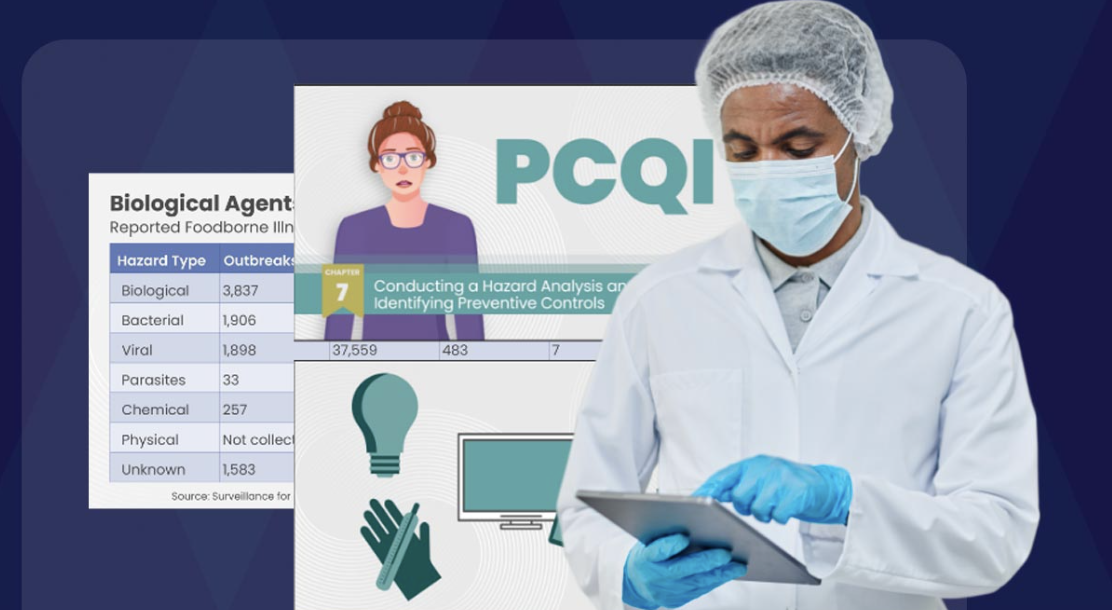
He cited the extensive Rootwurks training library that addresses food safety and food safety culture as a great way to improve employee awareness of these concepts and a broad array of other key safety topics. He also encouraged companies to take advantage of Rootwurks’ free food safety culture survey, which he has helped update. In addition, the tools within the Rootwurks enterprise platform can also go a long way towards helping improve food safety culture and adherence to SQF 10.
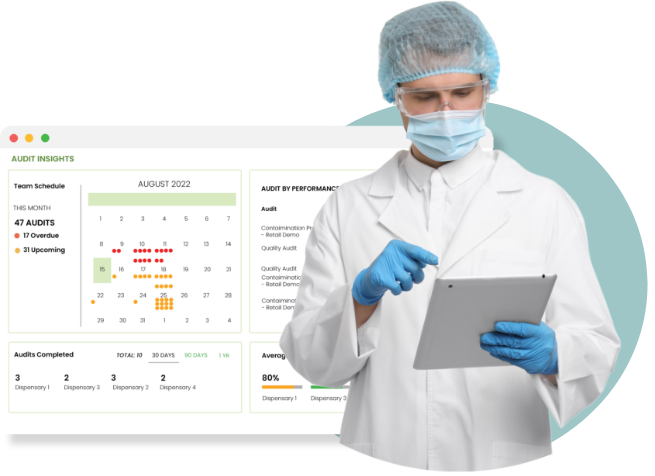
He cited Rootwurks' ability to formulate and complete checklists and assessments and proposed that companies create written SOPs for food safety culture. The Rootwurks platform is a great way “to build an internal audit checklist or assessment against that SOP and then be able to monitor it to see that key steps are being implemented properly.”
He added, “Rootwurks is a great platform to help companies comply with FSQA systems, SQF Edition 10 and food safety culture requirements."
SQF 10 is here so get ready! To learn more about Rootwurks Consulting and how it can help you meet the food safety demands of SQF 10, visit the Rootwurks website and feel free to contact our team.
Contributors

Ben Hartman
From HACCP certification to the basics of hygiene, our on-demand courseware has you covered.