


 X
X

 Facebook

 Linkedin

 Email
Email
 Copy Link
Frontline workers are the backbone of food manufacturing, and having a well-trained team you can trust is essential for food safety and compliance.
Unfortunately, turnover is a particular challenge in the food manufacturing industry, with an annual turnover rate of 28% to 36%. There is a wide variety of reasons for high turnover in food manufacturing, from physically demanding work and long hours to complex sanitation and production guidelines and a shortage of advancement opportunities.
But by focusing more on streamlined onboarding, custom training, employee growth, and empowerment, companies can dramatically reduce turnover and create the culture of safety and compliance needed in food manufacturing.
5 Ways Your HR Team Can Fight Turnover Through Food Safety Training
1. Develop Streamlined, Efficient Onboarding
Studies have shown that effective onboarding can boost retention of new hires by as much as 82%. But according to Gallup, only 12% of employees believe their organization excels at onboarding.
“This failure gets in the way of the formation of an emotional bond between the newbie and the company–a connection that can make or break retention,” Gallup wrote.
- Ditch the dense manuals: New hires need to learn a large volume of guidelines for safety, product formulations, and regulations. When faced with thick training manuals, many employees can start tuning out.
- Utilize Micro-Learning: Improve retention and streamline onboarding with digestible, interactive modules that keep employees engaged.
- Keep them Engaged: Utilize digital training that is mobile-ready, in a language employees understand, and relevant to their job expectations
2. Map Out "Line-to-Leadership" Career Pathways
Frontline workers who see their job as a dead end have little incentive to stay put for the long haul.
A 2024 Gallup survey found that “pay/benefits” was the most cited reason employees left a job in 2024 (cited by 16%), and a combined 16% said either “advancement, development, or career opportunities" or “work no longer interesting.”
HR can reverse this sentiment by linking training programs to career advancement. Training should be seen as part of a pathway to becoming shift leaders or managers, with better pay, benefits, and conditions included as incentives.
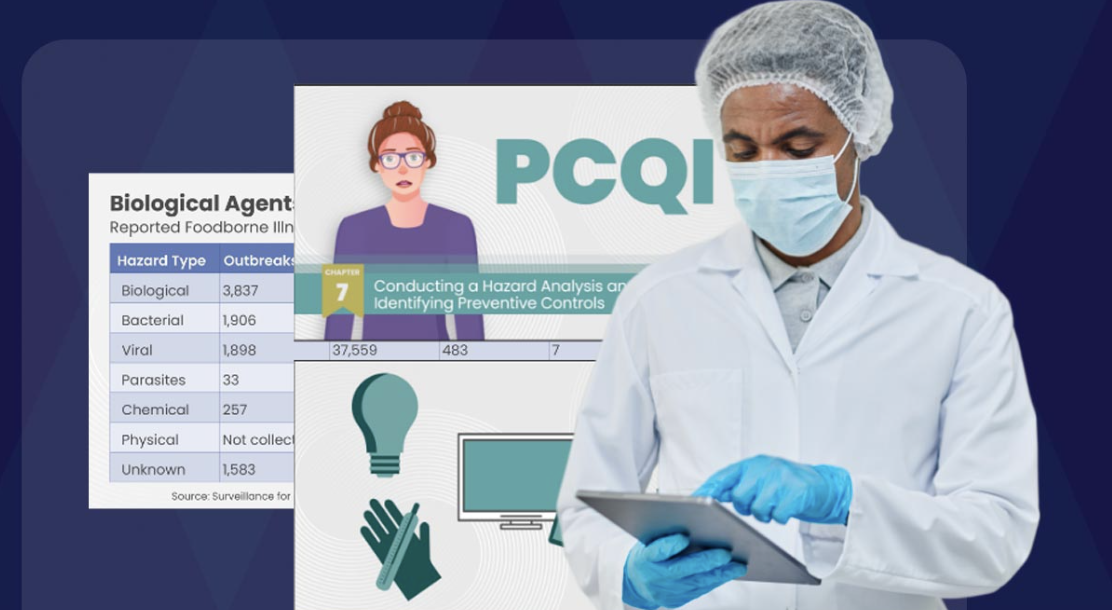
HR and management can encourage employees to pursue certification and training programs in safety guidelines like PCQI or HACCP, which help bolster employees’ professional credentials, while also training them to take a more central role in the workplace.
In 2021, a survey conducted by Monster found that 45% of respondents stated they would be more likely to stay with their current employer if offered skills training, with occupation-specific training being the most frequently cited option.
3. Replace "Check-the-Box" Training with Custom Learning
Herding your employees into a break room for their annual “check-the-box” training obligations can only go so far.
Custom learning that is integrated into the flow of work creates much more relevant, effective training that employees are more likely to retain. More relevant training is also more effective and helps prevent product safety and workplace safety incidents.
Targeted, relevant training is also more likely to keep employees engaged in learning, and it sends a message to them that you don’t just see them as cogs in a machine that have to be routed through an annual training demand. Instead, it shows that you have a vested interest in their learning progress and are willing to take the time to create custom training to help them build skills and advance their know-how, thus helping encourage retention.
4. Train Frontline Workers for "Stop-the-Line" Empowerment
Employees who know they are trusted are more likely to stay long-term.
HR and management must develop training that doesn’t see workplace safety as a purely hierarchical matter. Instead, employees must be empowered through training that teaches them not only the essentials of workplace safety and quality control, but also the confidence and support to speak out and take the lead when needed.
For food safety, this means frontline workers are empowered to speak out and don’t fear being punished for potentially slowing down the production line to address a safety concern.
In addition, empowering employees to take the lead on safety creates a sense of accountability for the success of the workplace. They see themselves not as a faceless cog in the machine, but as an essential gatekeeper who plays a key role in the company’s success.
Employees who receive such training are more likely to feel valued and respected - and are more likely to stay put.
5. Recognize Employee Success with Training and Safety
Front-line employees don’t want to be noticed only when things go wrong - they also need to be recognized for how they excel at their position.
HR can implement incentives for excellence in safety and compliance and gamify it to boost employee participation. After successful audits, HR can develop rewards for teams or specific employees to show that their excellence was recognized and appreciated.
These rewards can be small perks such as lunch vouchers or gift cards given out weekly for meeting specific goals. HR departments can take this further and make employee training and safety success a key part of wage increases or promotions.
Companies should also publicly issue praise on company message boards, online forums, and in at-work meetings to ensure that employees feel recognized and valued at the workplace.
The Rootwurks LMS: Training that Fights Turnover
The Rootwurks learning management system (LMS) was built specifically to help companies improve safety and learning for the frontline, and to reduce turnover:
- Mobile-Optimized Micro-Learning: Ideal for creating impactful, streamlined onboarding and trackable learning paths.
- Custom Content: Build more relevant training that resonates with employees and keeps them engaged.
- Built-In Communication: Make it easier to issue praise for any employee anywhere in your organization.
- Employee Growth: Create learning paths that help employees grow and see their position as part of their career development.
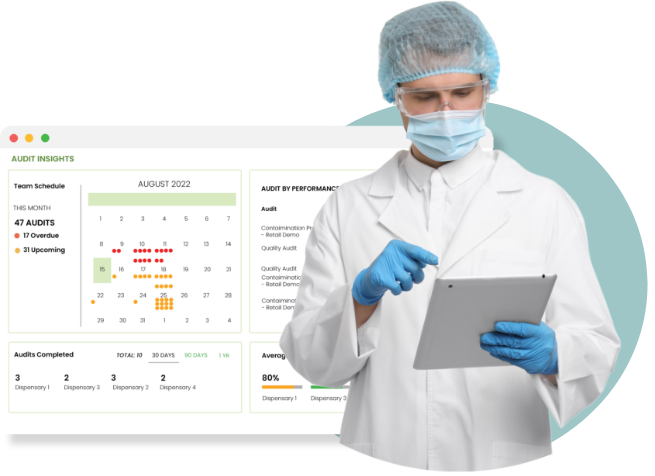
The LMS was built with frontline workers in mind. Optimized for mobile devices, the LMS makes it easy for HR and management to create custom, trackable training content that keeps employees engaged and learning and streamlines onboarding to get them up and running in no time.
The LMS also includes communication tools that make it easier for HR to issue praise for employees who are excelling at their work, to better foster a work environment of positive reinforcement.
To learn more about our LMS and how it can help HR teams build training and onboarding that boosts retention, reach out to the Rootwurks team here: